Wednesday, November 9, 2011

The second interview


Interviewer: Hanqiong Chen
Interviewee: Haruka Otaki
Date: 11/ 7/2011

Interview Transcription:


Me:    Hi, do you mind if I record our conversation?

Haruka: Hi,  no .it’s ok.

Me:    What is your name? And where are you from?

Haruka: My name is Haruka Otaki, I am from Japan.

Me:    Where is your hometown located in Japan?

Haruka: My hometown is Nishimeya village, and it locates in north part of Japan.

Me:    What is your major?

Haruka: Oh, my major is mass communication.

Me:    And which area do you focus on, Media, Advising or public relations?

Haruka: En, actually, I am an exchange student, I just only study here for one year.

My major in my home university does not have so many areas for us to choose.

Me:   Oh, I see, so can you describe the education system of your country?

Haruka: It’s pretty same as US, 6years at elementary school (age at 7-12), 3 years at junior high school, 3 years at high school, and 4 years at university or 2years for vocational school.

Me:  So you’ve studied at both Japanese and American universities. Can you list some difference between them?

Haruka: We do not have intent major, and once you are admitted by the school, you’ve already decided your major, and cannot easily to be changed.

Me:   Yes, about major choice is the same as Chinese universities. Another question is how has your culture influences your people/family values?

Haruka: I have a strong bond with my family and friends. It is really important for us to eat dinner with my family back in Japan so that we can talk whatever happens on the day. For example, we usually wait for my dad if he comes back home late because of work. And another thing is Japanese do not talk to random people like Americans do in the bus or train, but once you get to know Japanese friends, we are really close to friends and treat them like families.

Me :  Ok. And what is the form of government in your country?

Haruka: Japan is a constitutional monarchy while the power of the emperor is very limited. Its basic form is based on the British parliamentary model. It means that it has a cabinet of ministers led by the Prime Minister as well as a bicameral parliament called the Diet and, unlike Great Britain at the time, a linear hierarchical judicial system with a Supreme Court.

Me:   En, You are so professional about that. Can you tell me one thing that makes you proud of your country?

Haruka: I will say customer services with high hospitality, since I can get great service from anywhere.  Most of people know certain moral so they are accountable.

Me:   Yes, I heard it from my friends who study in Japan. If I want to take trip to Japan, can you recommend some places or sites to me or other tourists?

Haruka: Tokyo is a modern city so it is kind a similar to the big cities in every countries. So I will say Kyoto. Kyoto, you will get to see both historical aspects and modern parts. It is just mixed so I think it is unique and fun. You will get great food as well!

Me:   Oh, Kaori and you both recommended Kyoto, I think it must be really attractive, if I have chance to visit Japan, Kyoto might be my first choice.

Haruka: Yes, it will not let you down.

Me:   Which season is the best time to visit Japan?

Haruka: Spring.

Me:   What is the weather like in your hometown?

Haruka: Of course, we have four seasons; spring, summer, fall, and winter. It often rains a lot during May to June and humid, which I do not like. But it is hot and dry in summer.

Me:   What festivals do you celebrate in your country?

Haruka: We celebrate New Year eve at 12/31, New Year at 1/1, Doll Festival at 3/3, which is the day for girls, Children’s day 5/5, Bon Festival during 8/13-15, which is the festival for honoring the spirits of ancestors.

Me:   Sounds interesting, you have so many festivals. What are the most popular sports in your country?

Haruka: For little boys, they are big fan of soccer and baseball. For little girls, they like to play basketball and soccer. I think soccer is getting really popular because of World Cup J

Me :   Haha, really, I like soccer too, but I cannot play, just like to watch the game.

Haruka: Me too.

Me:    What's a traditional food in your country?

Haruka: Sushi, tempura, green tea, Okonomiyaki, Sukiyaki etc. I am getting hungry!

Me:   Me too.

Haruka: I made cakes with my friend, would you like to try after interview?

Me:    Sure, I would like to. I need to speed up. What do most women do after they get married in your country? (House or working?)

Haruka: In the past, women were more likely support family by doing housework such as cleaning, cooking, raising children. But most of my mom’s generation tends to work at same time doing house work. I am sure my generation need not only to do housework but working outside. The number of women who want to be independent from husband is getting increase than the past!

Me:  The last question. Where do most Japanese live after they get job? Live with their parents? Or move out?

Haruka: It depends on their working areas. If the working places are not the same area with the parents’ homes, they will move out and rent houses near to working places. If their working places are at the same areas, they choose to live with parents.

Me:   Ok, Where do you plan to work after your graduation? Big city or your hometown?

Haruka: I will work in Tokyo. It provides more job opportunities than my hometown.

Me :  Thank you for spending time for my interview.

Haruka: You are welcome.


2.Process Description

Due to the experience of the first interview, the preparation went smoothly. I have been seeking the Japanese students on the campus since the first interview was finished. Last Saturday I volunteered for Malaysian Culture Night, and worked with plenty of international students. Of course, there were some Japanese students at that night. I talked with one of them whom I am more familiar with about the interview assignment. She was interested in being interviewee and would like to help me complete my homework. Then we set up the date at Monday night to meet in the library for my interview paper. Before the time we met, I printed the paper with 12 questions and prepared my recording pen as the last time. On Monday at nine pm, it was cold outside, but she still showed up on time. What was touching me was she did not study at library at that night, came here at so cold night just because of my interview, appreciate her so much. After my sincere thanks, we got to the business.


3. Personal Review:

My second interviewee’s name is Haruka Otaki; we came to St.Cloud State University at the same semester, so we had many chances to run into each other. Because of the International Peer Advisor volunteering work at the beginning of this semester brought us together, I began to be acquainted with her. She is nice and cheerful girl, who is easily to get along with. However, she is an exchange student, and this is her last semester in the United Stated. It means that only less two months left for us to talk like now, I cherish the time we get together. Because of those reasons this interviews was very successful, I knew more about Japan and her. More than one hour conversation was filled with laughter and we all had good time. She also thoughtfully brought her hand made cake for me to taste.

I was surprised about her knowledge of Japan; her answers of my questions were very detailed and professional. I felt like as if I have already had a tour in Japan. I gained more information about Japan by two interviews, in education, economy, culture, food and customs. Haruka’s answer about interesting place changed my mind about perspective of Kyoto; I would like to visit there now.


 4.Country report

Geography


My interviewees are from Japan. The country is an island located in Pacific Ocean, and “is separated from the east coast of Asia by the Sea of Japan” (1).


The Kuril Country
Japan is famous for islands, so it is called the country of thousands of island“ which is an archipelago of 6,852 islands. The four largest islands are Honshū, Hokkaidō, Kyūshū and Shikoku, together accounting for ninety-seven percent of Japan's land area.” (2) However, the land area is 37.73 Sq.km.
 Japan has the world's tenth-largest population, with over 127 million people. The Greater Tokyo Area, which includes the de facto capital city of Tokyo and several surrounding prefectures, is the largest metropolitan area in the world, with over 30 million residents”(3).

Country of the Sun

Japan has thousands of history. “Legend attributes the creation of Japan to the
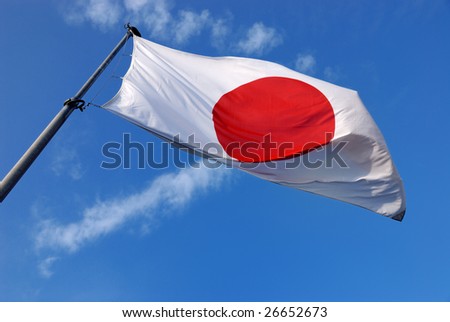
sun goddess, from whom the emperors were descended. The first of them was Jimmu, supposed to have ascended the throne in 660 B.C., a tradition that constituted official doctrine until 1945.”(4)Japan also has another name as country of the sun. The national flag of Japan is the sun flag. It is a white rectangular with a red big circle represented the sun in the middle.
   Image source: http://image.shutterstock.com/display_pic_with_logo/239440/239440,1237063576,1/stock-photo-japan-flag-26652673.jpg

Economy

“The economy of Japan is the third largest in the world after the United States

and the People's Republic of China, and ahead of Germany at 4th. According to the International Monetary Fund, the country's per capita GDP was at $33,805 or the 24th highest in 2010” (5). Japan has advanced technology; and it is famous for movies, cartons, automobile and mobile industries.

Image source: http://t1.gstatic.com/images?q=tbn:ANd9GcTRbZa_7Ms5j14VmZGJrOsfmjlNdtxEiOWDE4u3ZXFwe23Gw-d8t_qZfuCYZA


Country of Sakura

Japan also is called the country of sakura, since sakura is Japanese national flower, which blooms in spring. Country holds party and festival for people to appreciate sakura, enjoy the spring.


Thursday, November 3, 2011

Interview #1 Scores

First interview scores is here

Interview Top3 :
1. Brice
2. Jena
3. Cai inBrice
nterview #1 Top 3
Interview #1 Scores

erview #1 Scores

Thursday, October 27, 2011

First interview

1) To see interview transcription please click here

2) Process description:               
        About preparation, first procedure is I need to decide which country’s people I am going to interview. I planned to interview three Americans with my own 20 questions at the first place. But what I did not expect was that class decided the 12 core questions for us. We are familiar with American culture a little bit. I know almost all answers of 12 questions about America. So finally I decided to change the target to Japan which is another country that I am interested in. I want to know everything about Japan, especially, this 12 core questions. Secondly, I did research about the 12 questions on internet before the interview. I prepared my own answers in my mind in order to compare with the answers which the interviewees give to me later. Thirdly, about the equipments that I need for interviews, I took my recording pen and printed paper with 12 questions to the interviews. The final procedure is about searching interviewees, I went to the library in which is the good place for students to gather. I found a Japanese girl in the second floor whom I saw at the parties or activities several times, but I did not know much about her. I approached her and ask her whether she has time or not, could I interview her due to my assignment of ENGL191 course? She accepted happily. After I gave her printed paper with 12questions, she said the questions were a little bit difficult and needed time to prepare. 30 minutes later, when she was ready for interview then came to me, I asked her could I recorder the interview, she felt excited about it and agreed to it

3) Country report:
               
         My first interviewee is from Japan. The country is an island located in Pacific Ocean, and “is separated from the east coast of Asia by the Sea of Japan” (1). Japan is famous for islands; it is called the country of thousands of island,which is an archipelago of 6,852 islands. The four largest islands are Honshū, Hokkaidō, Kyūshū and Shikoku, together accounting for ninety-seven percent of Japan's land area. However, the land area is 37.73 Sq.km. “Japan has the world's tenth-largest population, with over 127 million people. The Greater Tokyo Area, which includes the de facto capital city of Tokyo and several surrounding prefectures, is the largest metropolitan area in the world, with over 30 million residents”(2).
        Japan has thousands of history. “Legend attributes the creation of Japan to the sun goddess, from whom the emperors were descended. The first of them was Jimmu, supposed to have ascended the throne in 660 B.C., a tradition that constituted official doctrine until 1945.”(3) Japan also has anther name as country of the sun. The national flag of Japan is the sun flag. It is a white rectangular with a red big circle represented the sun in the middle.
       “The economy of Japan is the third largest in the world after the United States and the People's Republic of China, and ahead of Germany at 4th. According to the International Monetary Fund, the country's per capita GDP was at $33,805 or the 24th highest in 2010” (4). Japan has advanced technology; and it is famous for movies, cartons, automobile and mobile industries. Japan also is called the country of sakura, since sakura is Japanese national flower, which blooms in spring. Country holds party and festival for people to appreciate sakura, enjoy the spring.


.
4)Personal impressions report:

        The first interviewee is a kind and lively person, so the interview was successful beyond my expectation. I knew a lot about Japan by a good and long conversation. The festival she mentioned was the first time I heard about. And I appreciate their culture of appreciation and spirit of solidarity. I can see those characters from Japanese news and Japanese movies which are same as she talked about. What disappointed me is the place she recommended, since I am not interested in the temples. My favorite place in Japan is Hokkaido. The answer about women’s career choices after they get married was different from the answer I searched on line. I found majority of women in Japan still prefer to be housewives nowadays.
Overall, the interview was great. Kaori and i know each other better through this interview, and we have more opportunities to contact. We bacome friends now, and even plan to have potluck party and go to Japanese restaurant sometimes


 Work citation:

Thursday, October 20, 2011

Library Research Assistance

Our is group 2, Brice, Xian Zhu,Jialun We are going to show the best and easiest way to find sourse you want.
For people who want to find source about articles, journals, magazines and newspapers for the research paper, i will introduce two  useful websites.
First one is EBSCO , http://web.ebscohost.com/ehost/search/advanced?sid=3d5a9f4f-8218-47b5-bbb6-c6418a2142f8%40sessionmgr4&vid=1&hid=9 .   This website was established in 1975, there are nearly 8,050 publications, which includes almost all academic topics. For example, if your topic is geography, just type any geography related words on the top of blank, and click search, all kinds of articles related to geography will come up to the page. Next you need to do, just select what you truly want.
Science Direct  http://www.sciencedirect.com/   , is another informative website for searching articles, journals, and also covers all aspects of academic topic. But one thing need to notice that there is not full text access to all journals.

Wednesday, October 5, 2011

20th questions for interviewees


First, Background and family:

1.      What is your name? And the meaning of your first name?

If you want to make friends with others, their names are important to remember. And in order to do not forget their names when you meet them next time, the best way to remember is thinking about the meanings of their names.

2.      Where are you original from? I mean, go back to your ancestor.

I heard America is a diversity country, it consists of many races and ethnics. I want to know whether it is true.

3.      Do you remember how many times you have moved you house? Do you like the feeling of moving.

I like to move house, new home makes me excited. But in China, the majority of people like stable life, the do not want to move their home unless they have to. I want to know the Americans attitudes about house-moving

4.      How many siblings do you have? And how close are you?

I am a only child in my family. I admire everyone who has siblings.

5.      Do you live with your parents. If not, How old did you move from the home? And how often do you visit your parents?

I want to know their relationships with their family.


Second , Education:

6.      Kindergarten, elementary school, high school and college, which periods do you like best? Why?

I want to know which period is their happiest time.

7.      What was your first intended major when you were the freshman at the university? Did you change it later?

I am curious about the major choosing. Because, in China, once you decide you major, it is difficult to change.

8.      Do you think what kind of qualities a good elementary teacher should have?

Because my major is elementary education, I want to know how to be a good teacher.

9.      What determined your major? Interest? Employment prospects or other?

I want to know the reason why they chose their major. In China, the employment dominants it, less people choose the major they like.


Third, Vocation:

10.  What did you want to do when you were a kid? Why?

I want to know their dream job.

11.  Are you satisfied with your current job? If no, what makes you stick to it?

Lots of people are not satisfied their jobs, but they still do it. I want to know whether this situation happened to my interviewees or not.

12.  How do you think volunteer jobs? And please write the most meaningful volunteer job you have done.

There are so many volunteer opportunities in America. I want to know their attitudes about volunteer jobs.

13.  What is your ideal job or what you want to do for the future career?

Compared to the question 8, I want to know the changes when they grow up.


Fourth, Hobbies:

14.  What would you like to do in your spare time?

I want to know their hobbies.

15.  What kind of movies, novels do you favorite? Please name your favorite movie and novel.

I love watching movies and reading novels, I’d like to watch and read more.


16.  Please tell me the most impressive travel you have had? And why did that travel impress you?

I want to know any interesting stories.


Fifth, Outlook on the life and value:

17.  How do you deal with the pressure? What is the biggest pressure to you?

I want to know the skills to handle the pressure.

18. Please name the people  who had most impact on you. And why?

I want to know who affected you most.

19.  What’ the motto to guide you life?

I want to know your motto about living

20.  What your ideal or dream life looks like?

I want to know their attitudes about life.